
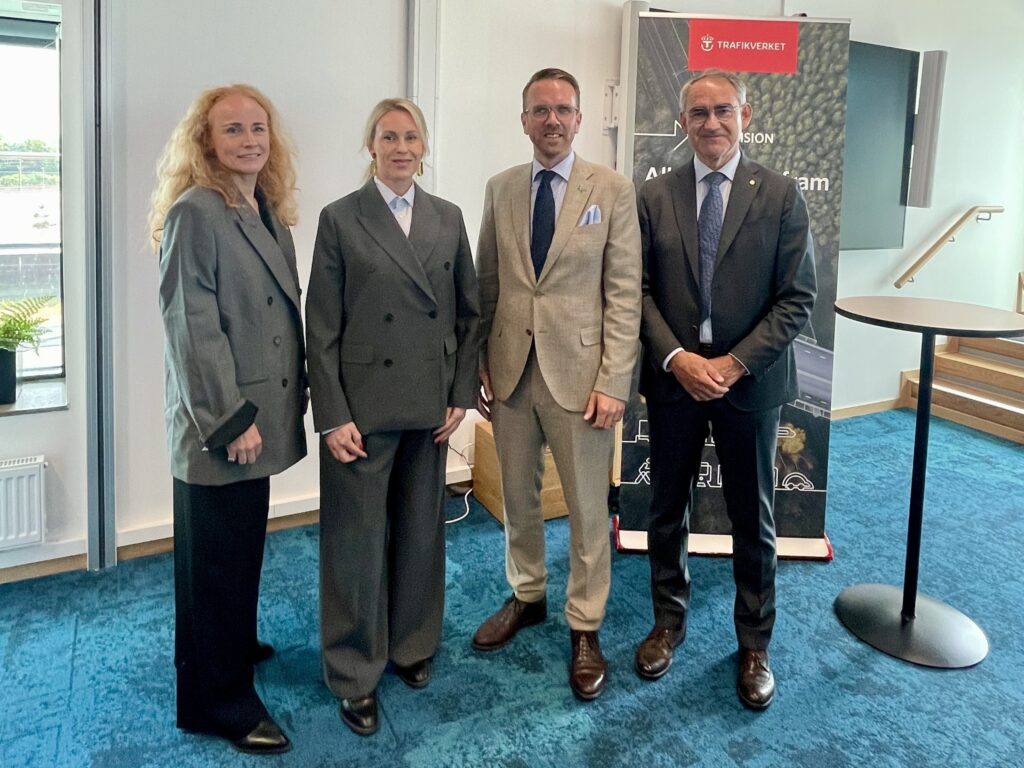
On June 15, the Swedish Transport Administration (Trafikverket) and Stena Line signed an agreement securing the continued operation of rail ferry services between Sweden and Germany. The agreement ensures that traffic on the Trelleborg–Rostock route will continue until 31 December 2031.
The agreement was signed at the Port of Trelleborg by Roberto Maiorana, Director General of the Swedish Transport Administration, and Elisabeth Lönne, Chief Commercial Officer at Stena Line.
Minister for Infrastructure and Housing, Andreas Carlson, opened the press conference:
“Today is an important day for Sweden. We are strengthening our connection to Europe and securing the future of the last remaining rail ferry link between Sweden and Germany.”
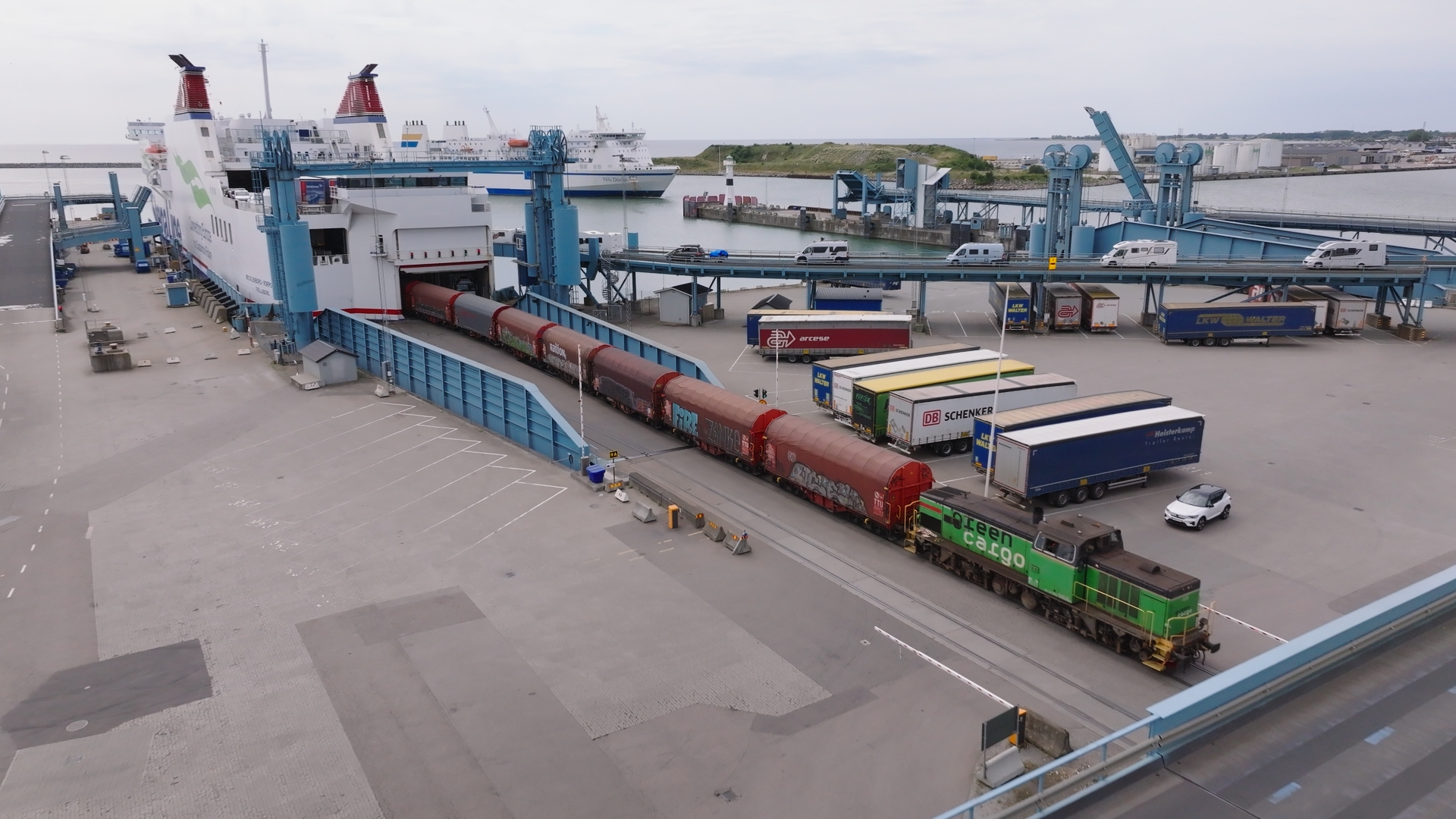 A unique and strategic hub
The Port of Trelleborg is Sweden’s only port with regular rail ferry services and serves as a central hub for trade, supply resilience, and a robust society. Stena Line’s two rail ferries are the largest of their kind in the world and can accommodate train sets of over one kilometre in length. From a defence perspective, rail ferries are indispensable for transporting heavy vehicles, equipment, and materials such as steel.
“Trelleborg and Rostock together form one of the most important transport links between Scandinavia and the European continent. At a time of increasing demands on preparedness, defence capability, and resilient supply chains, it is crucial to secure both traffic across the Baltic Sea and the conditions for efficient onward transport into Europe. To ensure long-term redundancy, continued investments and shared responsibility in both Sweden and Germany are required. A robust transport system depends on strong links throughout the entire corridor,” says Malin Collin, CEO of the Port of Trelleborg.
Strengthening Sweden’s total defence capability
Brigadier General Johan Elofsson of the Swedish Armed Forces also emphasised the importance of maintaining rail ferry traffic for Sweden’s total defence capability in the current security situation. Securing these services enhances resilience and enables continued military mobility for both the Swedish Armed Forces and NATO, ensuring Sweden’s ability to provide and receive host nation support.
Critical redundancy in the transport system
Germany is Sweden’s most important trading partner, and Stena Line’s rail ferries enable transports that cannot be routed via the Öresund link due to limitations in weight and width on Danish and German rail networks. The Port of Trelleborg represents the only remaining alternative for rail traffic across the strait if the Öresund Bridge — the only fixed rail connection to the south — were to be disrupted.
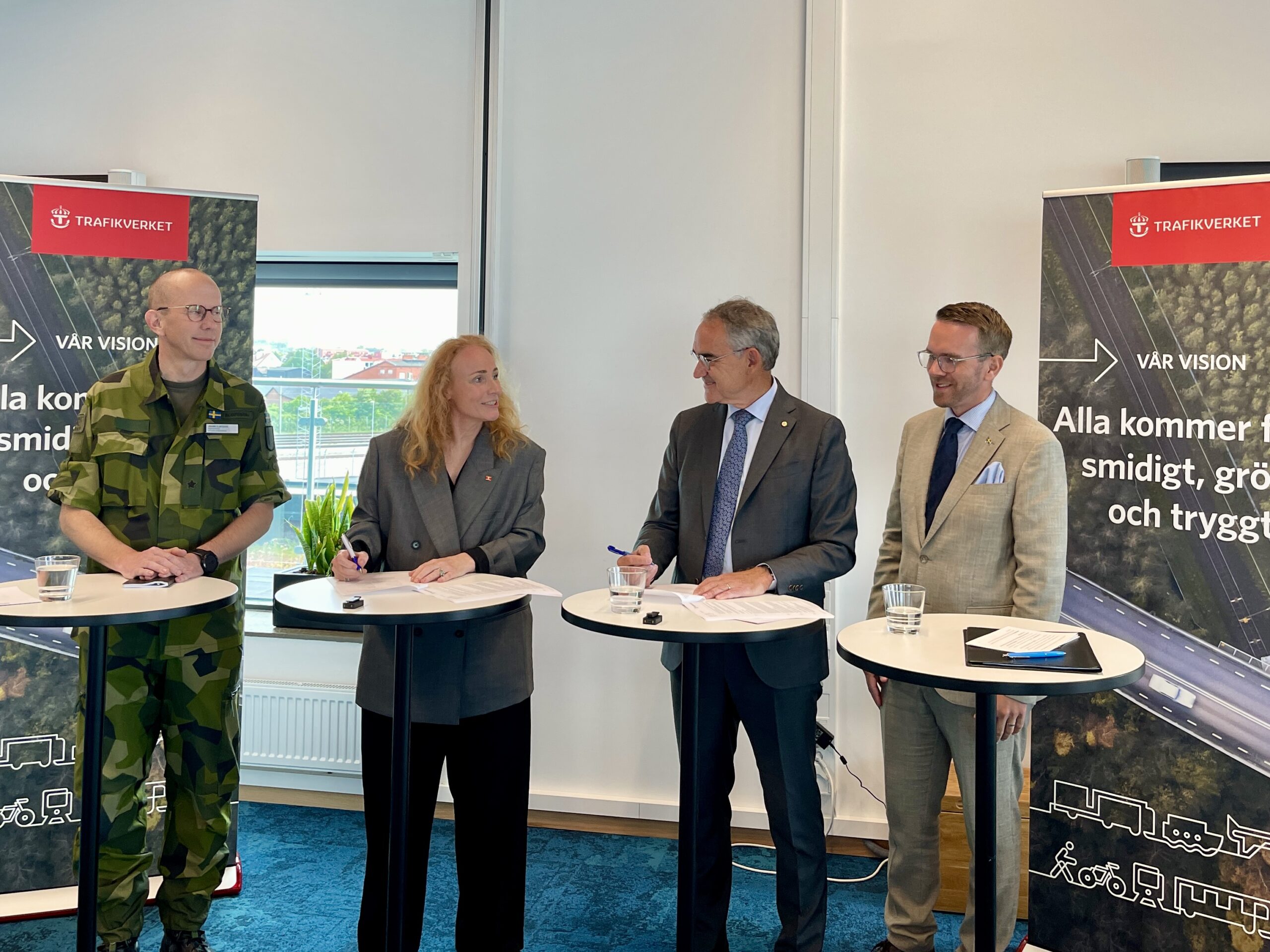
From the left: Brigadier General Johan Elofsson, Swedish Armed Forces, Elisabeth Lönne, Chief Commercial Officer, Stena Line, Roberto Maiorana, Director General, Swedish Transport Administration, Andreas Carlson, Minister for Infrastructure
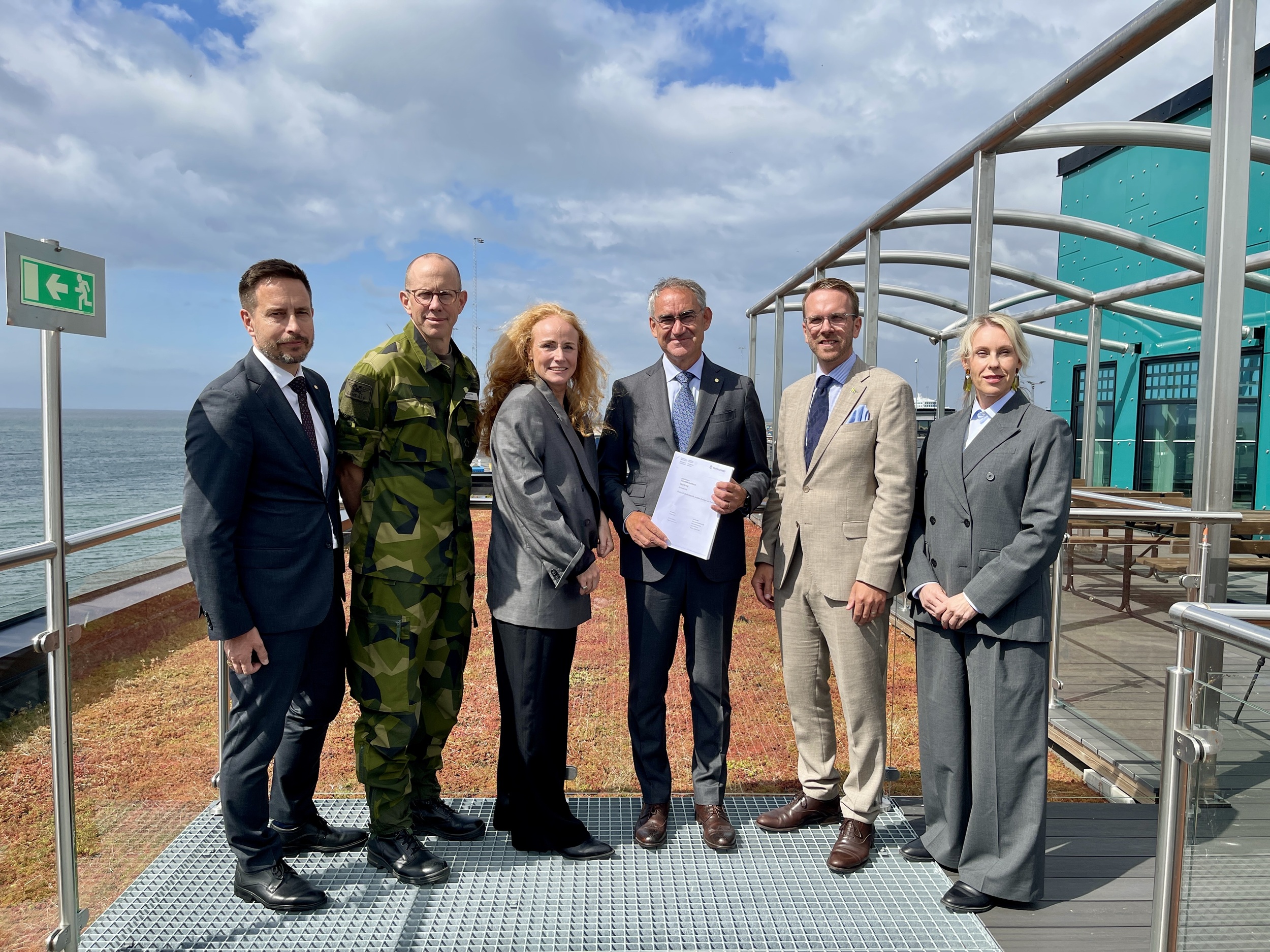
From the left: Mattias Dejke, Swedish Transport Administration, Brigadier General Johan Elofsson, Swedish Armed Forces, Elisabeth Lönne, Chief Commercial Officer, Stena Line, Roberto Maiorana, Director General, Swedish Transport Administration, Andreas Carlson, Minister for Infrastructure, Malin Collin, CEO, Port of Trelleborg.